


-

Add: HeBei ShengShi HongBang Cellulose Technology CO.,LTD.
-

Email
13180486930@163.com -

CONTACT US
+86 13180486930
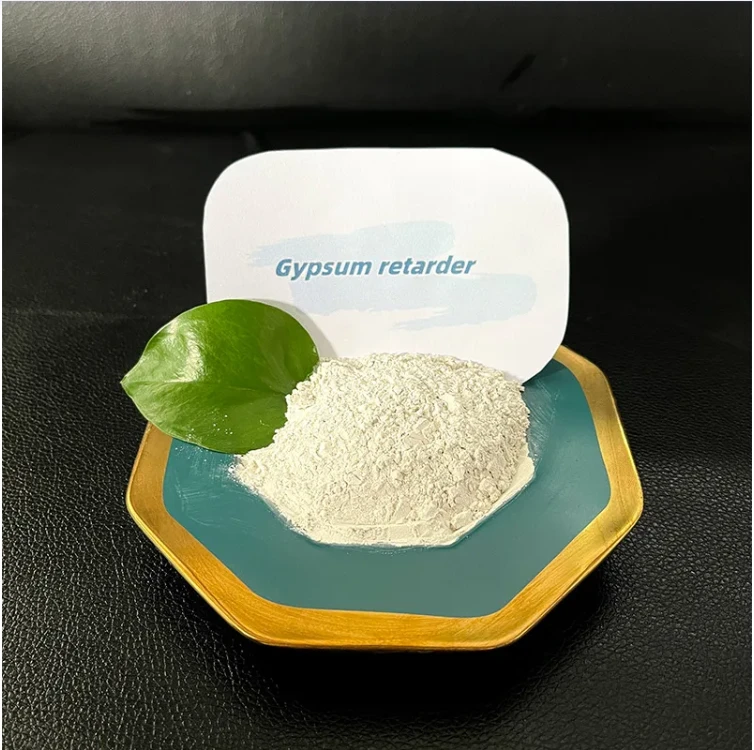
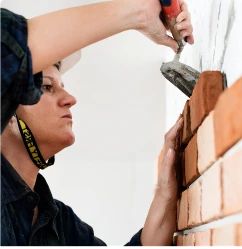


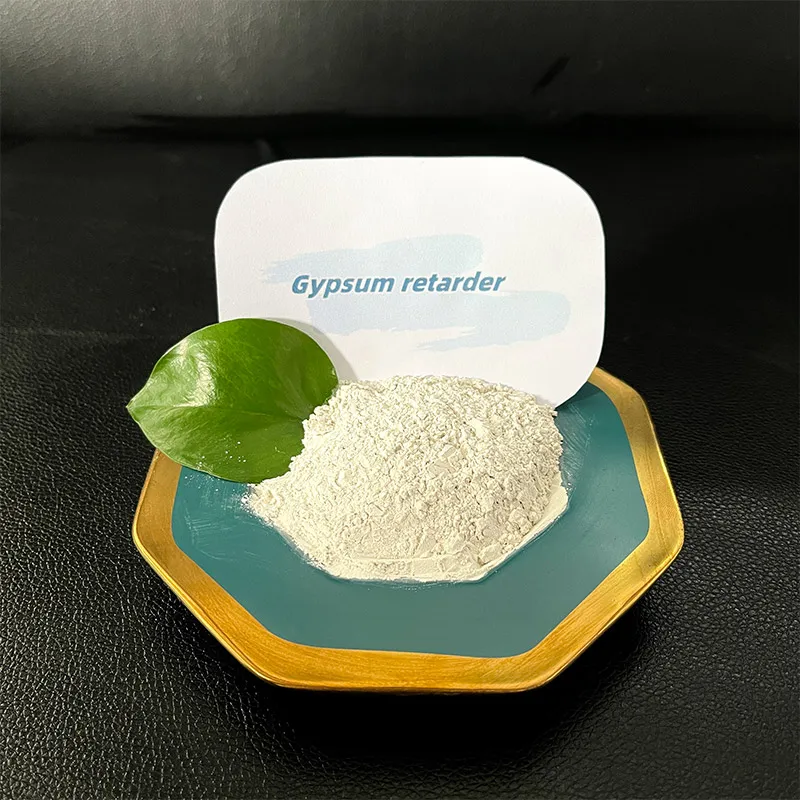
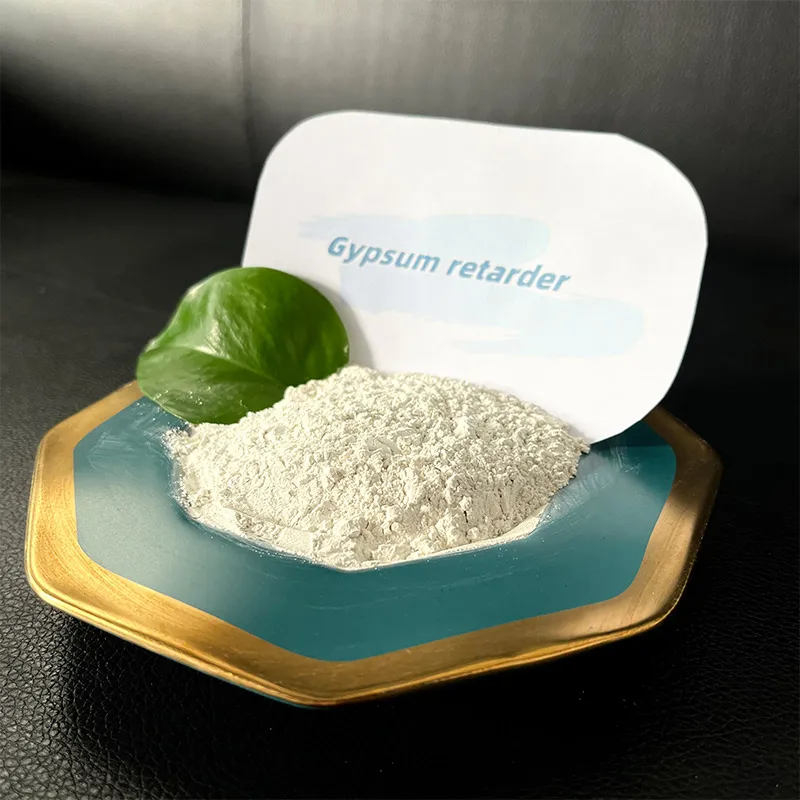
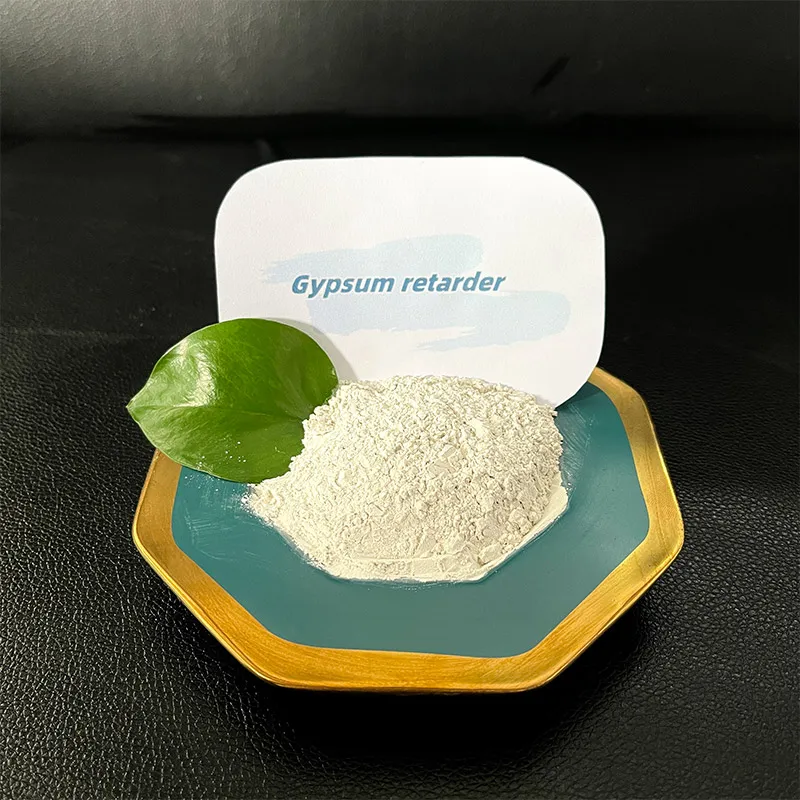
The gypsum retarder chemical is a crucial component in the world of plastering and construction. Gypsum, widely used in drywall and other building materials, has a natural tendency to set quickly. This is where a gypsum retarder chemical comes in—helping to slow down the setting time of gypsum-based materials. It allows for more flexibility during the application process, ensuring that workers have ample time to smooth, mold, and finish their plaster without the pressure of it hardening too soon. The role of the gypsum retarder chemical is particularly important for large-scale projects or when working in high-temperature environments, where gypsum sets faster than desired. By adding the retarder, contractors and plasterers can achieve smoother finishes and more accurate detailing, giving the end product a higher quality. The chemical's ability to slow down the hydration process makes it indispensable in situations where precision is key. Moreover, the gypsum retarder chemical helps prevent premature hardening, which can lead to cracks and other imperfections. For anyone working with plaster, whether for construction or artistic purposes, this chemical is a vital tool to ensure that the application process goes smoothly and the final result is flawless. Gypsum Plaster Retarder: Enhancing the Workability of Plaster When dealing with gypsum plaster retarder , you are essentially adding a substance that improves the workability of gypsum plaster. This retarder is specifically designed for plaster products, ensuring that they remain pliable for longer periods, thus giving the user more control over the setting time. It is especially useful for projects that require intricate detailing, as the extended work time reduces the risk of imperfections due to the quick setting of the plaster. The gypsum plaster retarder is added in small quantities during the mixing phase, where it interacts with the plaster’s composition to delay the setting reaction. By extending the time before hardening begins, this retarder provides artisans, contractors, and plasterers the ability to manipulate the plaster for a more professional finish. This is particularly beneficial when working with decorative plasterwork or large surface areas where precision and detail matter. In addition to improving the application process, the gypsum plaster retarder also helps maintain the integrity of the plaster. Since it slows down the setting time, it prevents the plaster from becoming too brittle too quickly, which can lead to cracks and breaks in the finished product. With the help of a gypsum plaster retarder , you can ensure your plaster job remains durable and beautiful for years to come. Trisodium Citrate Plaster Retarder: A Versatile Solution for Plastering One of the most widely used chemicals in the plaster industry is trisodium citrate plaster retarder , which has gained popularity due to its effectiveness in controlling the setting time of gypsum. Trisodium citrate plaster retarder works by interacting with the gypsum crystals during the hydration process, slowing down the chemical reaction that causes the plaster to harden. This gives users a longer period to work with the material, making it especially valuable in construction and renovation projects. The primary advantage of using trisodium citrate plaster retarder is its ability to delay the setting time without compromising the quality of the plaster. It can be used in a variety of applications, from simple wall coverings to intricate moldings and ornamental work. The versatility of this retarder ensures that it can be used in both large-scale industrial settings and smaller, more detailed artistic projects. Another benefit of trisodium citrate plaster retarder is that it is environmentally friendly compared to other chemical retarders. As a naturally occurring substance, trisodium citrate is safer for both the environment and the workers handling it. This makes it an excellent choice for those looking to create high-quality plasterwork while maintaining sustainability in their practices. Most Common Retarder in Gypsum: The Key to Perfect Setting Control The most common retarder in gypsum is often the go-to option for professionals in the plastering industry due to its reliability and consistency in performance. While there are various types of retarders available on the market, the most common retarder in gypsum is typically based on chemicals like citric acid or sodium-based compounds, which effectively slow down the hydration process. These compounds are particularly effective in gypsum plaster because they work well within the material’s chemical makeup. The use of the most common retarder in gypsum is not just limited to construction but extends to decorative applications, such as sculpting or making detailed plaster casts. By extending the time it takes for gypsum to set, the retarder allows for greater flexibility, ensuring that complex molds and fine details can be achieved without the material hardening prematurely. Moreover, the most common retarder in gypsum is available in various forms, including powders and liquid solutions, giving users the option to choose the best form for their specific project. Whether you are creating intricate designs or applying a simple plaster coat, this retarder is an invaluable addition to your plastering toolbox. By choosing the most common retarder in gypsum , you can achieve flawless results and meet the high standards expected in the industry. Choosing the Right Gypsum Retarder for Your Project When it comes to choosing the right gypsum retarder, understanding the needs of your specific project is crucial. Whether you are working with gypsum retarder chemical , gypsum plaster retarder , or trisodium citrate plaster retarder , the choice depends largely on the nature of the task at hand. For standard applications, the most common retarder in gypsum will often suffice. However, for more complex projects that require precise control, like decorative plaster work or large-scale construction, a specialized retarder may be necessary. Choosing the right product also depends on factors like environmental conditions. For example, if you are working in a hot, dry climate where gypsum sets quickly, using a high-performance gypsum plaster retarder will help you manage the setting time more effectively. On the other hand, in cooler climates, the need for a retarder may not be as urgent, but it can still improve your efficiency. As a final consideration, ensure that the retarder you choose is compatible with the specific gypsum product you are using. Some gypsum formulations may respond better to one type of retarder over another. Working with a trusted supplier who understands these nuances will help you make an informed decision and achieve the best results for your project. G ypsum R etarder C hemical FAQs What is a gypsum retarder chemical? A gypsum retarder chemical is a substance added to gypsum materials to slow down their setting time. This gives the user more time to manipulate and apply the plaster without worrying about it hardening too quickly. How does trisodium citrate work as a plaster retarder? Trisodium citrate plaster retarder works by slowing down the hydration process of gypsum, preventing it from setting too quickly. This extends the time for application, making it easier to work with and allowing for more intricate and detailed plastering. Is trisodium citrate environmentally friendly? Yes, trisodium citrate plaster retarder is considered environmentally friendly. It is a naturally occurring substance that is safe for both the environment and those using it in plastering applications. Which is the most common retarder used in gypsum? The most common retarder in gypsum is often based on citric acid or sodium compounds. These chemicals effectively slow down the setting time of gypsum, allowing for better control during application. Where can I purchase gypsum retarders for my projects? Our website offers a variety of gypsum retarders including gypsum retarder chemical , gypsum plaster retarder , and trisodium citrate plaster retarder . Visit our site today to choose the best retarder for your needs and enhance the quality of your plastering work.
- 40000tons

Production
- 20+years

Experience
- 5000+㎡

Acreage

-

Materials derived from natural sources, like wood cellulose , are redefining industries with their versatility and sustainability. Products such as xylem fiber , fibre made from wood pulp , and bleached wood pulp offer an eco-friendly alternative to synthetic materials while maintaining exceptional functionality. Their adaptability makes them ideal for use in construction, textiles, packaging, and beyond. Wood Cellulose: Nature’s Engineering Marvel Wood cellulose is a fundamental component of plant cell walls, known for its strength, flexibility, and lightweight properties. Derived from sustainably harvested timber, it is processed into versatile forms that cater to various industrial needs. Whether used as a construction additive, a textile fiber, or a packaging material, wood cellulose offers unmatched durability and eco-friendliness. This material is integral to modern manufacturing, especially as industries shift toward renewable resources. With its availability in forms like fibre made from wood pulp , wood cellulose is at the forefront of sustainable innovation, providing both functionality and environmental benefits. Xylem Fiber: Strength and Adaptability A specialized form of wood cellulose , xylem fiber is celebrated for its structural strength and water transport capabilities. This fiber, which mimics the natural function of xylem in trees, is ideal for applications requiring moisture resistance and durability. Industries such as paper manufacturing, filtration, and packaging rely heavily on xylem fiber for its reliability and adaptability. The increasing demand for eco-conscious materials has made xylem fiber a popular choice in product innovation. Its natural composition ensures it is biodegradable and renewable, making it a superior alternative to non-biodegradable synthetic fibers. By incorporating xylem fiber into production processes, companies can reduce their environmental impact without compromising on quality. Fibre Made from Wood Pulp: Sustainability Meets Functionality Fibre made from wood pulp is revolutionizing industries like fashion, hygiene, and construction. This material offers the strength of synthetic fibers while being more sustainable and environmentally friendly. Its softness, durability, and breathability make it a preferred choice for textiles, such as clothing and home furnishings. Beyond textiles, fibre made from wood pulp is widely used in absorbent products, including diapers and medical pads, due to its excellent moisture retention properties. Additionally, it plays a vital role in creating lightweight composites and durable building materials. The versatility of this wood cellulose derivative continues to drive innovation across sectors. Bleached Wood Pulp: A Staple in Quality Manufacturing Bleached wood pulp is a refined version of wood cellulose , processed to achieve a bright, pure-white appearance. This material is crucial in producing high-quality paper, hygiene products, and specialty applications like medical-grade textiles. Its smooth texture, uniformity, and strength make it an essential component in industries that demand precision and reliability. The bleaching process enhances the purity of bleached wood pulp , ensuring it meets strict industry standards. Moreover, modern advancements have made bleaching more sustainable, minimizing environmental impact. Whether used in premium packaging, tissue paper, or industrial filters, bleached wood pulp exemplifies how wood cellulose can deliver excellence and sustainability. Why Choose Wood Cellulose for Your Needs? Materials like wood cellulose , xylem fiber , fibre made from wood pulp , and bleached wood pulp offer a harmonious blend of sustainability, performance, and versatility. As industries pivot toward greener solutions, these natural fibers provide a reliable and eco-conscious alternative to synthetic materials. By integrating wood cellulose into products and processes, businesses can achieve superior quality while reducing their environmental footprint. From construction to textiles and packaging, the applications of these fibers are vast and impactful. Harness the power of wood cellulose and its derivatives to create innovative, sustainable, and high-performance solutions for today’s world.
-
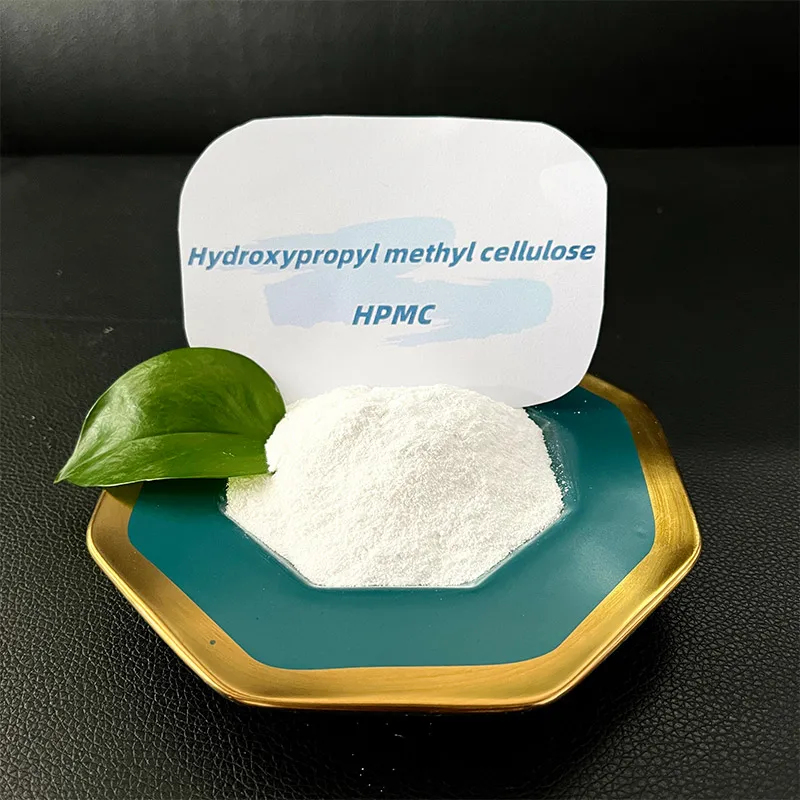
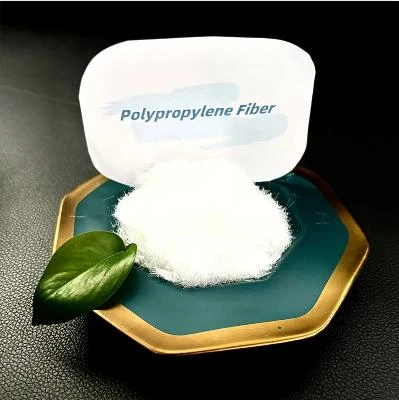
In the world of construction and textiles, innovative materials like polypropylene fiber and acrylic fiber are transforming traditional methods. Whether for enhancing concrete structures or creating durable fabrics, these fibers offer unparalleled versatility. If you're exploring polypropylene fiber for sale , you’re investing in a material that combines strength, durability, and cost-effectiveness. Polypropylene Fiber: A Revolution in Construction Materials Polypropylene fiber has emerged as a game-changing material in construction, particularly in concrete reinforcement. Known for its lightweight yet high-strength properties, it provides exceptional durability to concrete structures. When integrated into polypropylene fiber reinforced concrete , it significantly reduces cracking, improves toughness, and enhances resistance to wear and tear. The availability of polypropylene fiber for sale has made it easier for builders and manufacturers to access this cost-effective solution. By incorporating polypropylene fiber , you can ensure that your projects meet modern standards of durability and sustainability. Whether it’s for residential buildings, industrial floors, or road construction, this fiber is a valuable addition to any construction project. Polypropylene Fiber Reinforced Concrete: Strength and Longevity Combined When it comes to structural integrity, polypropylene fiber reinforced concrete stands out as a top choice for builders. By dispersing fibers throughout the concrete mix, it improves tensile strength, reduces shrinkage cracks, and enhances overall performance. This innovative solution is particularly effective in applications like pavements, precast products, and water-retaining structures. For contractors looking for polypropylene fiber for sale , choosing a high-quality supplier ensures the best results. The benefits of polypropylene fiber reinforced concrete extend beyond durability; it also reduces maintenance costs, minimizes downtime, and supports eco-friendly construction practices. Acrylic Fiber: Versatility Beyond Construction While polypropylene fiber dominates the construction industry, acrylic fiber is a leader in textiles and apparel. This synthetic material mimics the softness and warmth of wool, making it a popular choice for clothing, home furnishings, and industrial fabrics. Its resistance to fading, shrinking, and mildew ensures that products made from acrylic fiber remain durable and vibrant over time. As you explore polypropylene fiber for sale , consider the complementary benefits of acrylic fiber in creating a diverse range of products. Both fibers are known for their cost-effectiveness and adaptability, making them ideal for businesses that prioritize quality and efficiency. Why Choose Polypropylene Fiber for Your Projects? The increasing demand for polypropylene fiber for sale highlights its significance across industries. For construction professionals, polypropylene fiber offers an affordable and practical way to enhance the durability of concrete. Its lightweight nature makes it easy to handle and integrate, reducing labor costs and speeding up project timelines. Meanwhile, businesses in textiles benefit from the versatility of acrylic fiber , which provides a balance of comfort and performance. Whether you're working on infrastructure development or creating stylish garments, these fibers offer the reliability and innovation required to succeed. Explore Polypropylene Fiber for Sale Today If you’re ready to take your projects to the next level, look no further than polypropylene fiber for sale . With its superior strength, affordability, and environmental benefits, polypropylene fiber and polypropylene fiber reinforced concrete are essential for modern construction. Additionally, the complementary qualities of acrylic fiber ensure that industries beyond construction can also reap the rewards of advanced materials. Investing in these fibers means embracing the future of durable, sustainable, and versatile materials. Transform your projects with polypropylene fiber and experience the benefits of innovation firsthand.
advantages
-

200000 Viscosities
Excellent product
We can produce pure products up to 200,000 viscosities
-

40000 tons
High yield
We don’t stop production all year round, and the annual output can reach 40,000 tons
-

24 hours
Quality service
We provide 24-hours online reception service, welcome to consult at any time
———— Inquiry Form
Schedule A services

-
 serat_xilem
Oct . 25, 2025
Hydroxypropyl methylcellulose 2208 , a highly versatile compound, stands at the forefront of numerou -
 hpmc_film_coating
Oct . 25, 2025
In the realm of pharmaceuticals and food industries, Hydroxypropyl Methylcellulose (HPMC) solution h -
 kegunaan_hidroksipropil_metilselulosa
Oct . 25, 2025
Hydroxypropyl methylcellulose (HPMC) is a versatile product that has gained tremendous attention acr


